


 Create Account
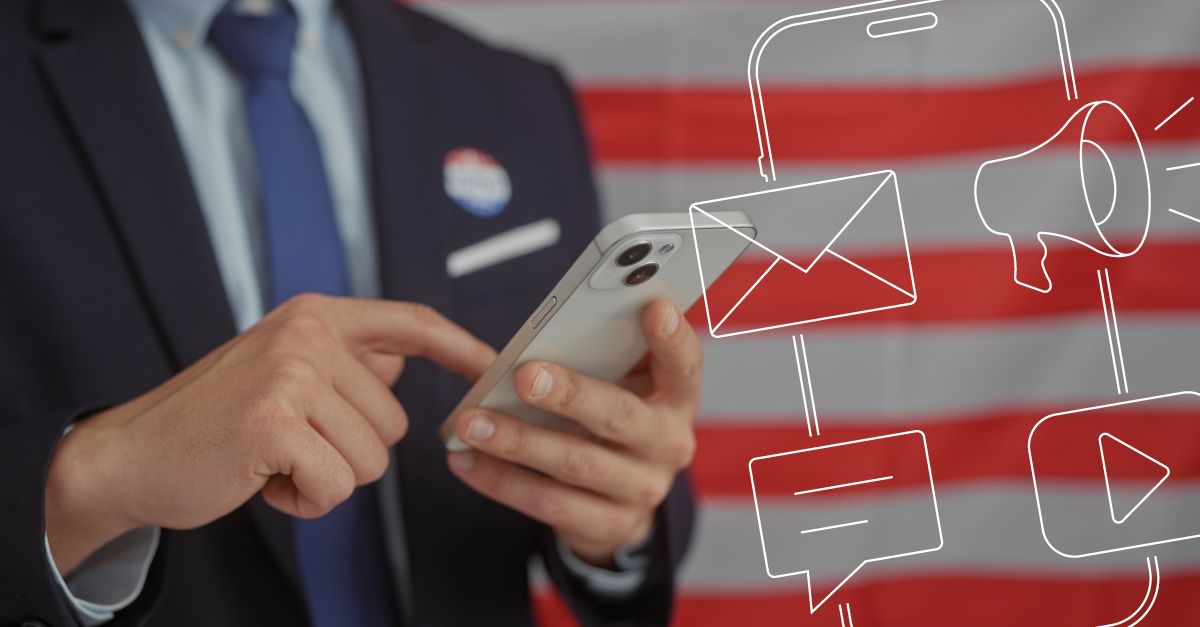
Midterms are closer than most campaigns realize, and the digital advertising landscape has never been more competitive. Voters are inundated with messages across every screen they own. Campaigns are fighting for limited inventory, regulations are tightening, and attention spans are shrinking.
Preparation is not optional here. A well-built programmatic strategy can be the difference between a candidate who breaks through the noise and one who gets buried in it. As election season approaches, here’s a practical checklist political advertisers should be working through right now.
Getting Ahead of the Competition
One of the most common mistakes in political advertising is waiting too long to begin.
All programmatic messages take time to resonate. Frequency builds familiarity, familiarity builds trust, and trust leads to action. If your campaign launches only in the final stretch, you are forcing your message to compete in the loudest and most expensive part of the cycle.

Advertisers are strongly incentivized to concentrate spend during the final 45 days before an election. This time period is when candidates enjoy the lowest unit charge with traditional advertising, which encourages advertisers to launch or intensify all their efforts during this window.
As political budgets flood the market, inventory tightens and CPMs begin to rise. In addition to higher prices, the saturated market makes it much harder for new campaigns to break through the noise. Messages need time to build engagement, and starting a new campaign during this window is a recipe for obscurity.
Benefits of Starting Early
Genius Monkey has seen it play out time and time again: launching two to six months before the election gives campaigns time to:
- Establish name recognition
- Define the narrative before opponents do
- Test messaging and creative
- Higher impressions at lower CPMs
While an early start may appear more expensive at first glance, it often proves more cost efficient over the life of the campaign. Building awareness before peak season allows campaigns to avoid overpaying for late-stage reach and reduces the need for last-minute saturation tactics.

The campaigns that win aren’t ones that simply spend the most in the final month. They’re the ones that build momentum steadily and strategically.
AI Generation: Proceed With Caution
Political messaging has always faced skepticism. In recent years, generative AI has added a new layer of complexity and public concern.
Voters are increasingly wary of manipulated content, fabricated quotes, and synthetic media. Several states have introduced or passed legislation addressing AI-generated political content. Many require disclosure when AI is used. Others prohibit deceptive practices such as deepfakes that portray a candidate saying or doing something that never occurred.
Even where regulations are still evolving, public perception is clear. Undisclosed AI use will quickly undermine trust.

That doesn’t mean AI has no place in political campaigns. It can assist with data analysis, message testing, and operational efficiency. The reality is, campaigns must approach creative use with care and transparency.
Best practices include:
- Full disclosure when generative AI contributes to ad content
- Strict human oversight of all AI-assisted creative
- Avoiding synthetic depictions of real events or statements
- Maintaining authentic representation of the candidate
Misleading or poorly disclosed AI assets can instantly cause reputational damage that can overshadow an entire campaign. In a climate where credibility is everything, authenticity is a necessity.
Target Smarter With Audience Segmentation
Broad messaging like statewide and district-wide awareness campaigns still plays a role in political advertising. But precision targeting has transformed how campaigns allocate budgets and shape messaging.
Different voter segments need different conversations:
- Undecided voters may need introductory messaging and issue clarity.
- Party loyalists may respond to mobilization and turnout messaging.
- Historically non-voters may need education about voting logistics and motivation to participate.
Audience segmentation allows campaigns to tailor creative and frequency to each group rather than relying on a single blanket message.
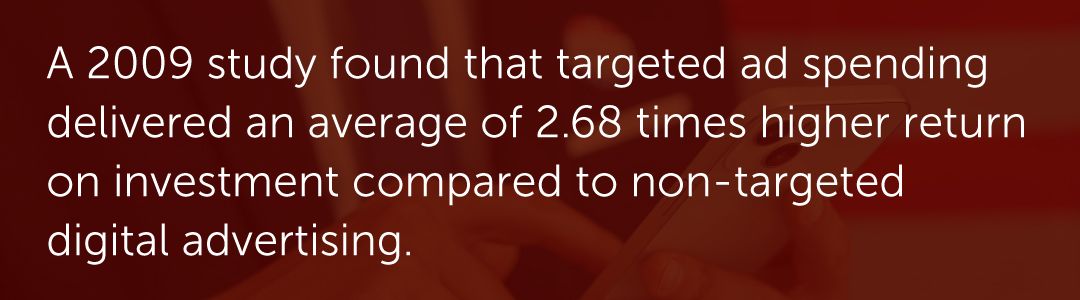
Research supports this approach. A 2009 study found that targeted ad spending delivered an average of 2.68 times higher return on investment compared to non-targeted digital advertising. Relevance drives performance.

Modern programmatic platforms enable campaigns to unify voter file data, behavioral insights, and contextual signals into a cohesive targeting strategy. In a high-stakes environment where every impression counts, precision matters. Spending smarter means delivering the right message to the right voter at the right time.
Go Multi-Channel for Maximum Reach and Recall
Today’s media environment is fragmented across devices, platforms, and formats. According to Parks Associates, the average US household in 2023 had between 17 and 21 connected devices. Voters move fluidly between streaming services, social media, news sites, podcasts, and connected TV.
Relying on a single channel is no longer enough to break through the noise. Repeated exposure across multiple touchpoints significantly increases message recall and persuasion. Multi-channel campaigns also tend to be more cost efficient than overloading a single platform.
Multiple Mediums Require Coordination Tools
An integrated programmatic approach unites connected TV, display, mobile, audio, and other digital channels into one cohesive strategy. When properly executed, campaigns can track individual touchpoints and understand how each channel contributes to overall performance.


In political advertising, repetition is powerful, but it must be strategic. Seeing and hearing a message in different contexts makes it stick, and doing so through a unified platform ensures the campaign remains efficient and measurable.
Midterms Are Coming. Is Your Strategy Ready?
Election years reward the campaigns that plan ahead, diversify their channels, refine their targeting, and protect their credibility. Midterms will arrive faster than most campaigns expect. The difference between reacting and leading often comes down to preparation.
Working with a proven platform that knows political advertising inside and out can take a lot of the guesswork off your plate. Since 2011, Genius Monkey has helped political advertisers drive more conversions and cut wasted spend through data-driven programmatic strategies.
Don’t spend the most; spend smarter! If you’re ready to evolve your marketing strategy to the next level, get in touch with Genius Monkey today!